
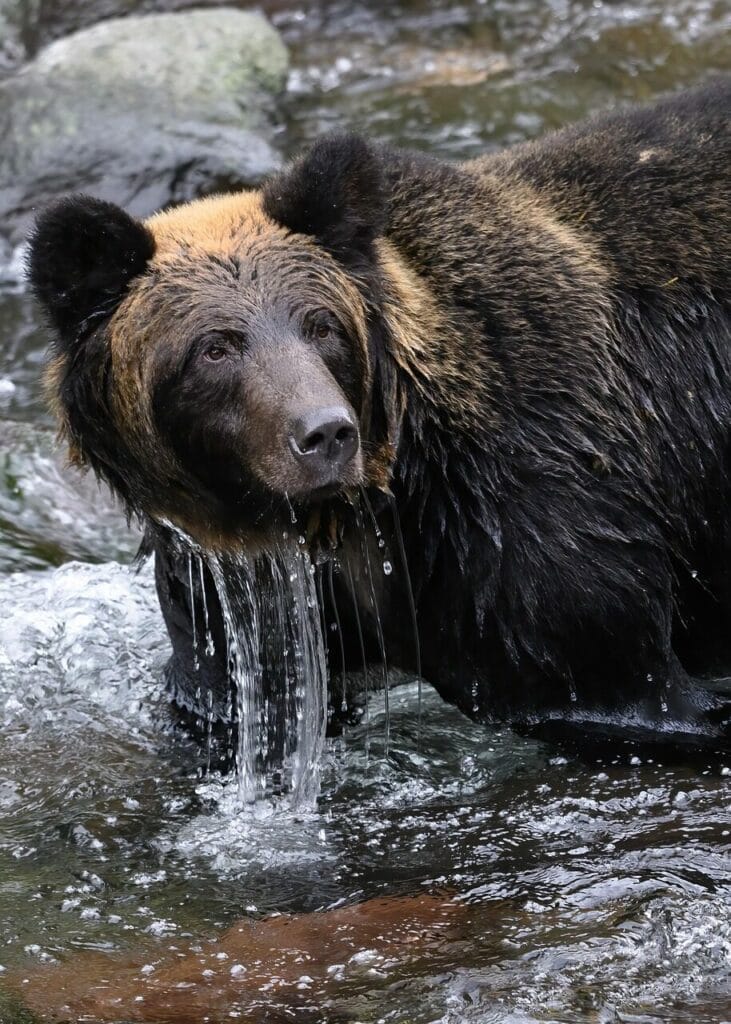
Bella Coola Valley, a serene community nestled in the heart of British Columbia’s central coast, recently made headlines nationwide due to a harrowing encounter with a grizzly bear that left a group of students in shock.
Residents of this remote area now find themselves facing a growing concern as these once majestic creatures turn increasingly aggressive, posing a threat to their homes and safety.
Tanyss Munro, a resident and the executive director of Start with Mothers, experienced firsthand the destructive power of these bears. Returning home after a brief absence, she and her husband were met with a scene of utter devastation. The bears had ransacked their property, leaving a trail of destruction in their wake.
From demolished kitchens to destroyed furnaces, the bears spared no corner of the property, wreaking havoc with each return visit. Despite efforts to fortify their home, the relentless animals continued their rampage, leaving the community on edge.
With a scarcity of resources due to a strike affecting the BC Conservation Officer Service, residents like Munro felt abandoned in the face of repeated bear attacks. The situation escalated as more homes fell victim to the marauding bears, raising concerns for the safety of the community.
While living harmoniously with wildlife has been a way of life in Bella Coola, recent events have underscored the need for a more sustainable approach to coexistence. As conflicts between humans and bears escalate across the province, calls for science-based wildlife management grow louder.
The situation in Bella Coola serves as a microcosm of a larger issue, highlighting the consequences of unbalanced ecosystems and the need for proactive measures to ensure the safety of both humans and wildlife.