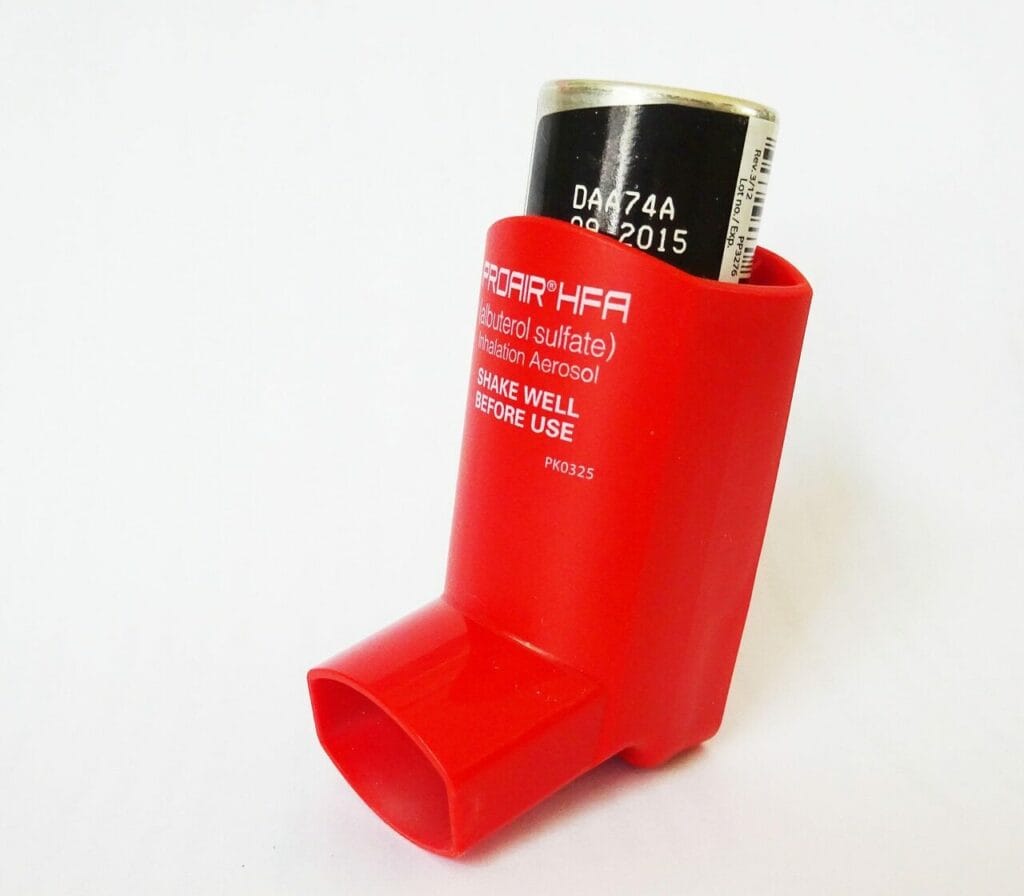
In Quebec, a significant number of metered-dose inhalers are used annually to deliver aerosol medication, but these devices have a considerable environmental impact. Each inhaler’s carbon footprint is comparable to a 290 km car trip. However, there are positive strides being made to minimize this impact by innovative initiatives led by dedicated staff.
At institutions like CHU Sainte-Justine and the Quebec Heart and Lung Institute (IUCPQ), efforts are underway to address this issue. These include the implementation of a recycling program for metered-dose inhalers and the promotion of less polluting treatment options.
Asthma affects around 10% of Canadians and is a leading cause of emergency room visits and hospitalizations. Experts caution that there is a concerning cycle where asthma is exacerbated by climate change, while asthma management itself contributes to greenhouse gas emissions.
Dr. Sze Man Tse, a pulmonologist at Sainte-Justine University Hospital Center, stresses the importance of reducing the carbon footprint associated with healthcare to benefit future generations.
One crucial aspect highlighted by pharmacists like Isabelle Giroux is the harmful environmental impact of the propellant gases used in inhalers. Proper recycling of these devices can significantly reduce greenhouse gas emissions.
The introduction of alternative, less polluting treatments and changes in prescribing habits are crucial steps towards a more sustainable healthcare system. Initiatives like the Inhaler Project at CHU Sainte-Justine aim to educate professionals and patients on environmentally friendly practices.