Quebec’s National Assembly is about to go on a holiday break, but the political scene is expected to heat up as elected officials return in February, stepping into an election year.
As we reflect on a year filled with healthcare debates, financial scandals, and a leading contender rising in the polls, CityNews delves into the political landscape for a glimpse of what to expect in 2026.
One Montreal resident expressed, “As an anglophone attending an English university, I don’t see things improving.” Another added, “Whether it’s a referendum or a language issue, there always seems to be controversy.”
Political analyst Daniel Béland notes that the governing CAQ party is struggling, never fully recovering from a dip in polls in 2023. Despite attempts to push popular initiatives, many efforts have backfired, affecting Premier Legault’s standing.
Béland highlights that contentious bills, such as healthcare payment reforms and Quebec’s draft constitution, have impacted Legault’s popularity. Even if the party replaces him, uncertainty looms over the CAQ’s future without its founder.
On the opposition front, the Liberal party faces internal turmoil, with leader Pablo Rodríguez encountering a confidence crisis. A recent poll showed that a majority of respondents lack trust in his leadership, raising questions about his position.
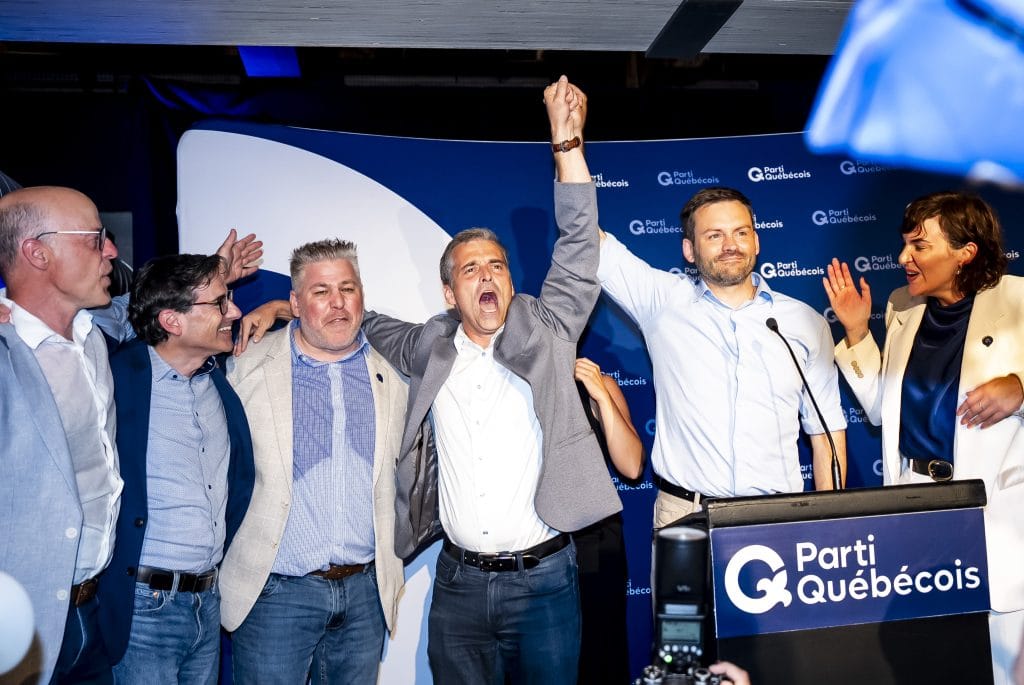
Meanwhile, the PQ party closes the year on a high note, gaining significant support in recent polls. Leader Paul St-Pierre Plamondon exudes confidence, hinting at readiness for an early 2026 election and emphasizing the party’s strength.
Béland warns that the PQ’s commitment to a potential third referendum could be a double-edged sword, causing voters to hesitate as election day approaches. Despite this, the party remains a default option for many voters.
Interviewed Montrealers expressed mixed views on party choices, with some acknowledging the PQ’s alignment with English institutions and others undecided on their voting preferences.