A recent study conducted by researchers in Montreal suggests that air pollution, particularly PM2.5 particles, may trigger an immune response leading to autoimmune diseases like systemic lupus. The study sheds light on how exposure to fine particles in the air can affect not just heart and lung health but also the immune system.
According to Sasha Bernatsky, a co-author of the study from McGill University Health Centre Research Institute, the research offers insights into the potential connection between air pollution and autoimmune diseases. Bernatsky explained that when the immune system identifies a threat, it produces antibodies to defend the body. While some antibodies are beneficial for fighting off viruses and microbes, an overproduction of antibodies can contribute to diseases when the immune response becomes too aggressive.
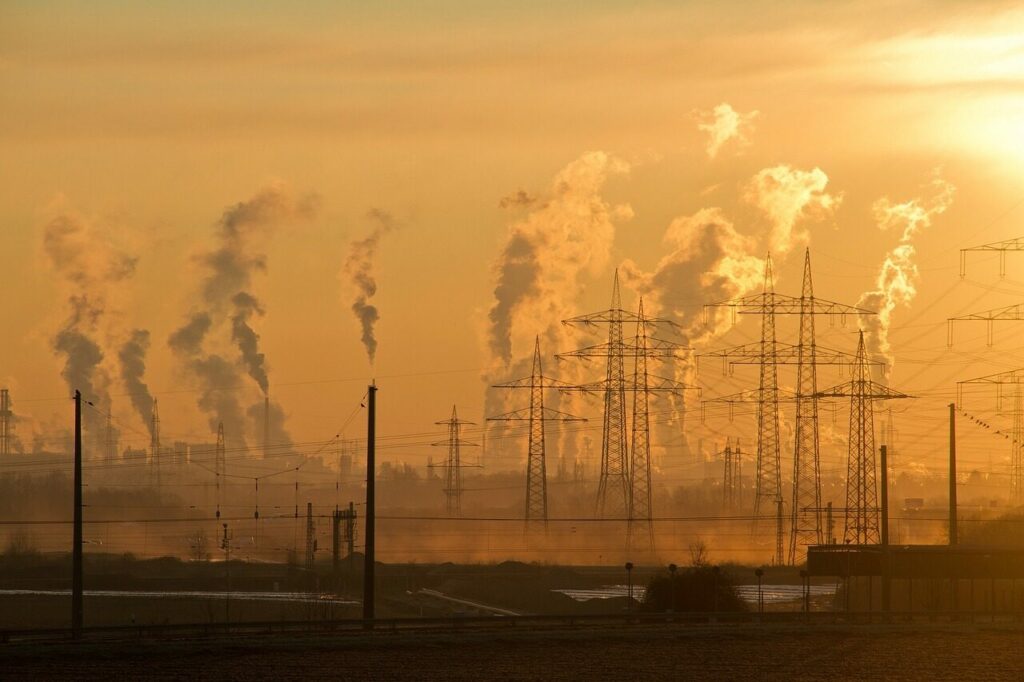
The study analyzed data from Ontario, revealing a correlation between high levels of PM2.5 pollution and increased concentrations of antinuclear antibodies (ANA) associated with autoimmune diseases like systemic lupus. PM2.5 particles, which can penetrate deep into the lungs and bloodstream, are emitted from various sources including forest fires and industrial activities.
Bernatsky emphasized the significant association between fine particle pollution and elevated levels of antibodies, suggesting that air pollution can infiltrate the bloodstream and prompt immune system reactions. Previous research by Bernatsky has linked living near sources of fine particle emissions to higher blood markers for autoimmune diseases like rheumatoid arthritis.
The study underscores the broader impact of air pollution on human health, extending beyond respiratory issues to potentially influencing immune responses and contributing to various diseases. Bernatsky highlighted the importance of recognizing the role of the environment, specifically air pollution, in immune system disorders like systemic lupus, diabetes, cancer, and heart disease.
Despite relatively better air quality in Canada compared to other regions, the researchers caution that no level of exposure to PM2.5 is entirely safe. Certain populations, particularly those near industrial sites, major highways, or areas prone to forest fires, face higher risks of exposure to harmful air pollutants. Additionally, autoimmune diseases like lupus disproportionately affect women and minority populations, including Indigenous communities.
Funded by the Canadian Institutes of Health Research and overseen by Audrey Smargiassi, a professor at the University of Montreal, the study’s findings were published in the journal Rheumatology.