
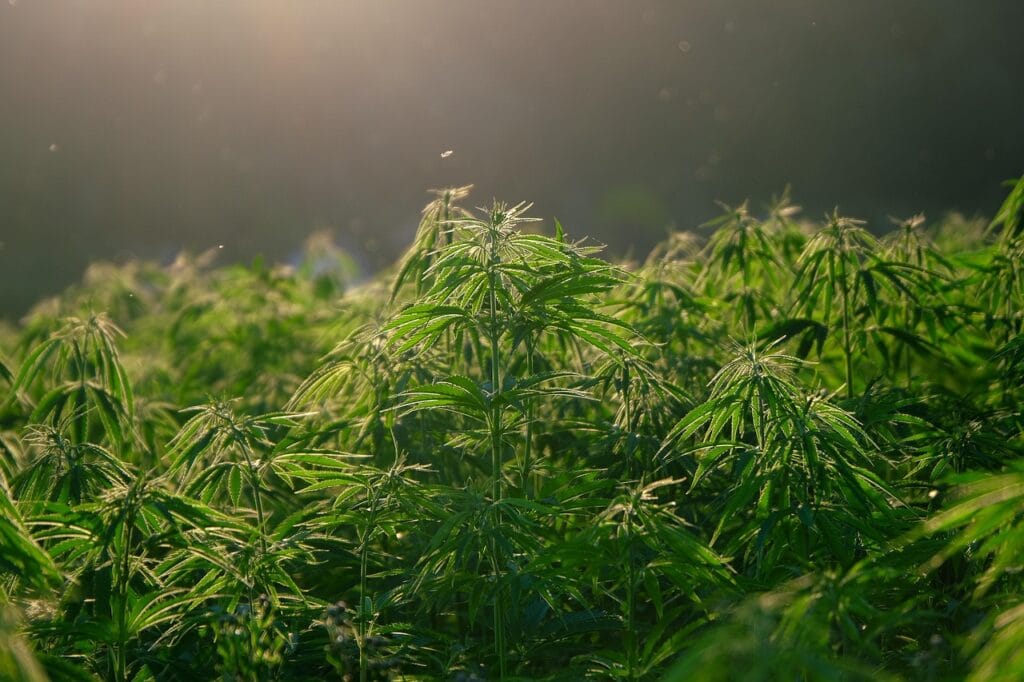
Commercially available cannabis products, including those that have undergone irradiation as per industry standards, may still harbor toxic fungi and residues, caution researchers from McGill University.
Although the implications are generally minimal for most users, individuals relying on cannabis for medical purposes, particularly those with compromised immune systems, could face significant risks. Saji George, a professor specializing in food science and agrochemistry at McGill University, highlighted the potential dangers for vulnerable users such as those undergoing chemotherapy or battling illnesses that weaken immunity.
The sterilization method predominantly employed in medical and recreational cannabis production is gamma irradiation. In their investigation, George and Mamta Rani scrutinized various cannabis samples, including non-irradiated buds, irradiated samples from licensed producers, and ready-to-consume products from licensed retailers, with some sourced from the Quebec Cannabis Corporation.
Their study revealed that gamma irradiation does not completely eradicate toxic fungi and residues, and traditional analytical techniques may overlook live spores. Despite meeting industry standards, these products might still contain harmful elements undetected in routine quality control tests.
George stressed that industry players adhere to existing regulations, but the current standards may not suffice to safeguard high-risk consumers. He noted that while these substances may be less problematic when ingested, smoking them could pose severe health threats, particularly to immunocompromised individuals.
The researchers emphasized the need for more stringent quality protocols for medical cannabis and suggested exploring innovative solutions like using beneficial bacteria to prevent harmful fungi growth in crops.
Keyphrase: Cannabis toxins concerns