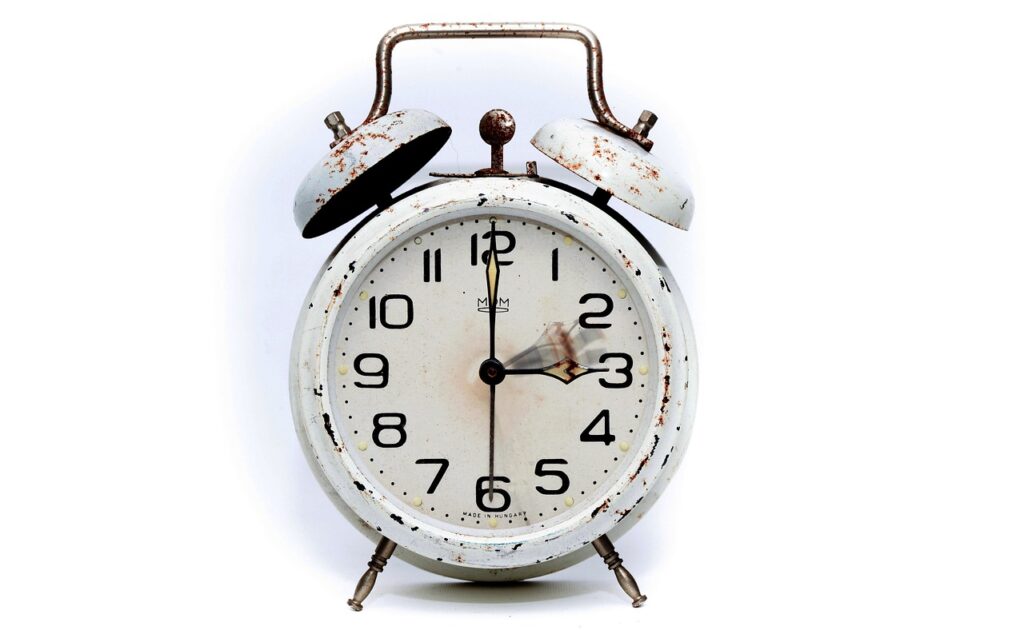
It’s time to rise and shine…early starting this weekend as daylight saving time (DST) comes into effect.
Most Canadians will spring forward from 2 a.m. to 3 a.m. this Sunday, March 8.
Despite the loss of some sleep, the change means that sunsets will be later and the much-awaited spring is around the corner.
In Canada, daylight saving time (DST, which turning clocks ahead one hour on the second Sunday in March then on the first Sunday in November, the time is turned back one hour has been in practice since the late 1960s.
Related:
In Ontario, the province passed a bill in 2020 to permanently remain on DST but it would only come into effect if both Quebec and the New York state also pass similar legislation.
There are no signs that will happen anytime soon in La Belle Province despite most Quebecers being in-sync with their Ontarian neighbours.
A government consultation over a year showed that 91 per cent of Quebecers didn’t want to change the clocks twice a year and three-quarters said they’d prefer to make daylight saving time year-round.
In September 2025, Justice Minister Simon Jolin-Barrette didn’t seem to be in a rush to pass any legislation on the timely matter, simply saying, “No decision has yet been made.”
Most of Canada is on DST — only parts of Saskatchewan, Ontario and areas in British Columbia remain on Standard Time year-round. Yukon made DST permanent in 2020.
Alberta held a referendum in 2021 where just over half of people voted to continue changing clocks twice a year.
Researchers have called for ending the practice which they say can cause health issues.
“Artificially changing the time creates a mismatch between the timing of our internal body clock, the social clock that defines our daily life schedule and the natural cycle of the sun,” says Canadian Sleep Research Consortium.
— With files from The Canadian Press