
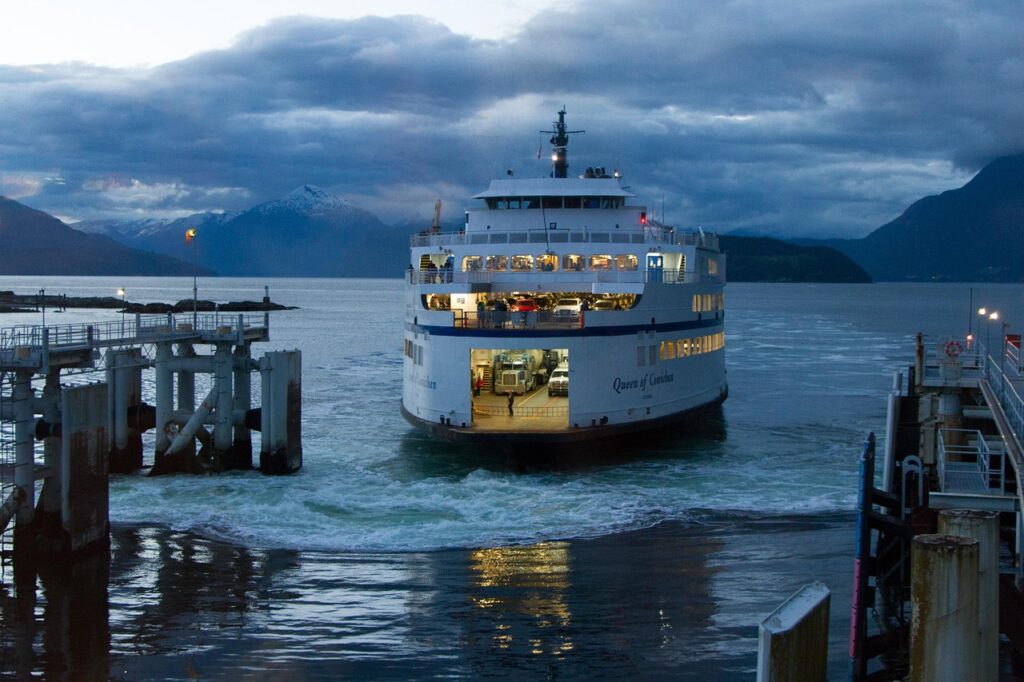
The long weekend may be over, but after days of frustration, headaches continue at the BC Ferry terminals.
The company blames the weekend’s trouble on its aging fleet, but experts say the problems go far beyond that.
President of the BC Ferry and Marine Workers Union Eric McNeely says even with crews working around the clock, BC Ferries isn’t taking a proactive approach to maintain its vessels.
“Our crew’s at the maintenance facilities, doing the trades there, maintaining and repairing vessels,” said McNeely.
“They’ve been working seven days a week for as long as they can remember, most of them. That’s reacting to challenges. There needs to be a more preventative approach to that.”
BC Ferries’ oldest ship, the Queen of New Westminster, is more than 60 years old, and the newest ship sailing between Metro Vancouver and the island, the Coastal Celebration, entered service 18 years ago in 2008.
“If it’s a maintenance issue, if it’s a power generation issue, if it’s a cooling issue, those are things that you can look at proactively,” McNeely said.
“And while it may cost a little more money on the front end to do preventative maintenance as opposed to reactive maintenance, if you do that, your system will be in better shape.”
Related:
Delta Mayor George Harvie is also joining the call for change to Canada’s largest ferry service.
“It also affects our supply chain insofar as the trucks not being able to get over to [Vancouver] Island or the Island back here,” said Harvie.
“I really hope that the government steps up and really analyzes and tries to do something to reduce this congestion. Waiting a number of years for areas to be built that were procured far too late is just unacceptable.”
Harvie says BC Ferries seems to lack a contingency plan when vessels break down during peak times of the year.
“I’m hoping that the ferries can do something to ensure that they — we — have those routes. Those are the only routes available.”
In March of last year, the BC Ferries Commissioner approved the procurement of four new major vessels for the company. The first of the new vessels is expected to enter service in 2029, with four operational by 2031.
—With files from Anthony Atanasov